


05
By: Monica Harper
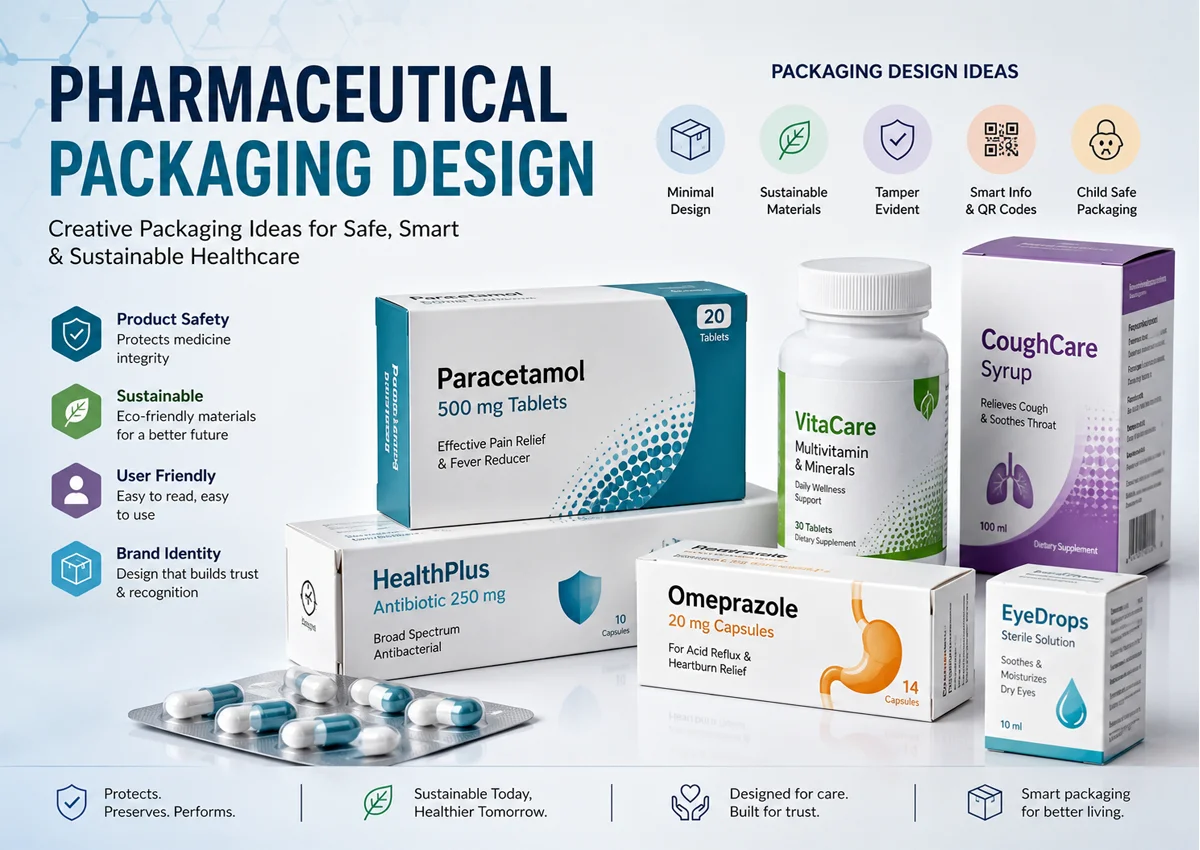
Pharmaceutical packaging is not only a protective container. It helps keep product quality in line, it supports regulatory compliance and it backs patient care in a very practical way. Beyond that it shields medicines from contamination, and it offers crucial direction so Australians can utilise their meds safely without messing up the process. From manufacturing platforms through to drug stores, hospitals, and patient homes, well-built packages make sure the products stay in their integrity while also lining up with the strict requirements of the TGA. This guide goes into the main principles of pharmaceutical packaging design in Australia: safety, materials, sustainability, regulatory compliance, plus the new, emerging trends and why advanced packaging technology actually matters, even when people think it is small. Let’s discuss everything that you need to know about pharmaceutical packaging design.
The Three Pillars of Pharmaceutical Packaging
1. Patient Safety and Regulatory Compliance
Patient safety is the main goal of pharmaceutical packaging; honestly, it really is. Medicines have to remain steady during storage, while they are in transit, and right up until use, but at the same time they have to protect patients from contamination and also from fake, lookalike counterfeit items.
Essential packaging features include a few things, like for example:
- Child-resistant closures, so it is tougher for small hands to get them open.
- Moisture and oxygen barriers, in order to keep the contents from going stale or reacting too quickly.
- UV protection for light-sensitive medicines, because light can mess with them.
- Sterile packaging for injectable and biological products – yes, the full sterility thing, done carefully.
In Australia, manufacturers have to meet TGA rules, plus Good Manufacturing Practice (GMP) expectations, to ensure patient safety and product quality
2. User-Friendly and Accessible Packaging
Now, manufacturers’ pharmaceutical package design is more accessible. For example, printed clear instructions make packaging user-friendly, while labels can be clearly read and help customers in taking medicines. This way, you can cut down dosing mistakes that are a big deal for you.
Such packaging comes with the following features that you will see:
- Large, high-contrast fonts
- Easy-open packaging for older adults
- Measuring devices that are accurate for liquid medicines
- Clear dosage directions
- Convenient pack sizes
These tweaks feel extra useful for elderly patients, people with disabilities, and carers in general.
3. Building Consumer Confidence
Pharmaceutical packaging design for medicines plays an essential part in generating trust that must not be underestimated. A professional-looking design, branding consistency, and well-organised information allow users to differentiate between original medications and help them make their purchasing decisions when getting medications in the OTC market in Australia.
Further, here are the pharmaceutical packaging materials that are used in the manufacturing of pharmaceutical packaging design process.
A Deep Dive Into Pharmaceutical Packaging Materials
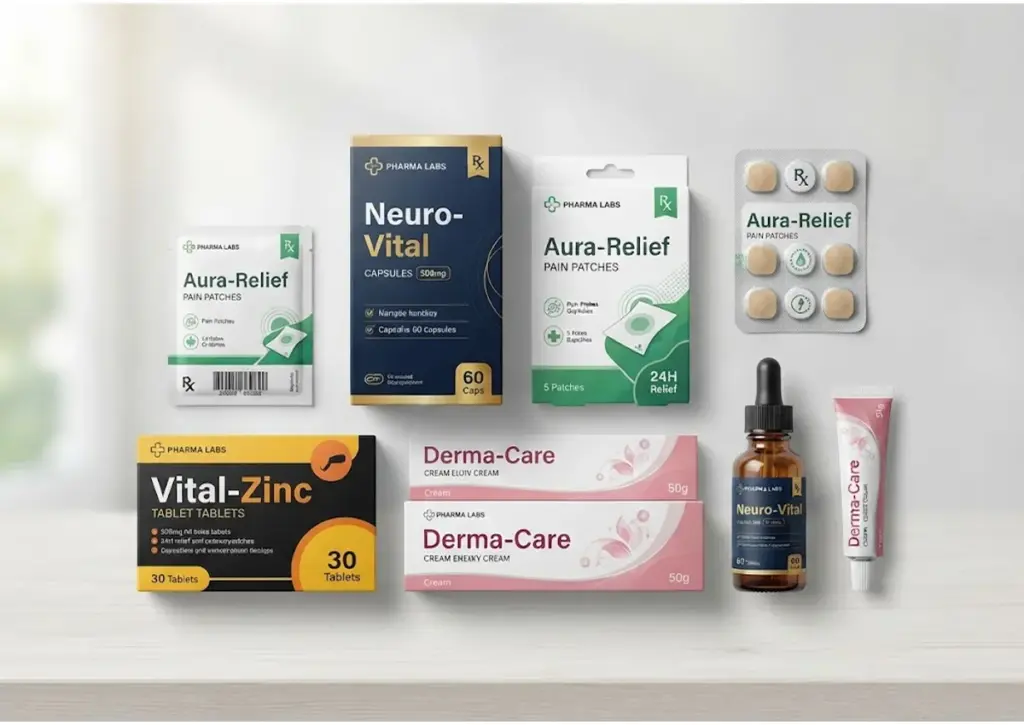
Choosing appropriate packaging materials helps you maintain the stability and compliance of medicine.
Glass
It has remarkable chemical stability. Therefore, glass is a preferred option for injectable medications, vaccines, and sensitive liquid formulation packaging. Amber glass performs the role of a protective barrier against harmful ultraviolet rays.
Plastics
Plastics have a lightweight nature. It offers durability. It also has excellent moisture-resistant properties. HDPE and PET are the materials that can be used for producing tablets, capsules, syrups, or ointments packaging.
Blister Packs
It is one of the most preferred packaging solutions for capsules and tablets across Australia. Individual dose protection can maximise the stability of the product and gives a patient better chances to control their medication regimen.
Vials and Ampoules
You can also utilise glass vials and ampoules. They ensure sterility for injectable medicines, biologics, vaccines, and laboratory items.
Secondary Packaging
Such types of pharmaceutical packaging refer to boxes, labels, and consumer medicine information leaflets. All of them provide information about the product in accordance with Australian laws while supporting product branding.
Sustainable Pharmaceutical Packaging
Now, sustainability has gained popularity in the Australian pharmaceutical sector. Manufacturers like Packaging Bee AU now switch to sustainable pharmaceutical packaging boxes without compromising product safety and regulatory compliance.
We use a few eco-friendly materials like:
- Recycled PET (rPET)
- FSC-certified paperboard
- recyclable cartons
- Less plastic in general
- and different biodegradable materials
All of this helps reduce the ecological consequences and also supports Australia in hitting its sustainability goals through the deployment of these materials.
Unravelling the Tangles of Australian Compliance Requirements
The Australian pharmaceutical packaging process surely meets strict standards to provide efficient packaging. Australian pharmaceutical packaging design requirements are the following:
- Good Manufacturing Practice (GMP)
- Accurate product labelling
- Batch identification
- Expiry dates
- Storage conditions
- Tamper-evident packaging
- Child-resistant packaging where applicable
Current Trends in Australian Pharmaceutical Packaging
Innovative pharmaceutical packaging design trends are also significant, with strict regulatory requirements.
Minimalist Design
Modern pharmaceutical packaging comes with clean layouts, product information, and proper typography. It improves the readability of the packages and reduces medication errors.
Smart Packaging
QR codes are becoming popular. They offer access to consumer medicine information as well as product authentication, instructions for usage, and educational resources.
Patient-Centred Design
Custom medicine boxes are more geared towards ensuring patient compliance with easy-to-follow layouts, colour coding, calendar blister packs, and design solutions that simplify the treatment journey.
How To Select an Appropriate Packaging Partner
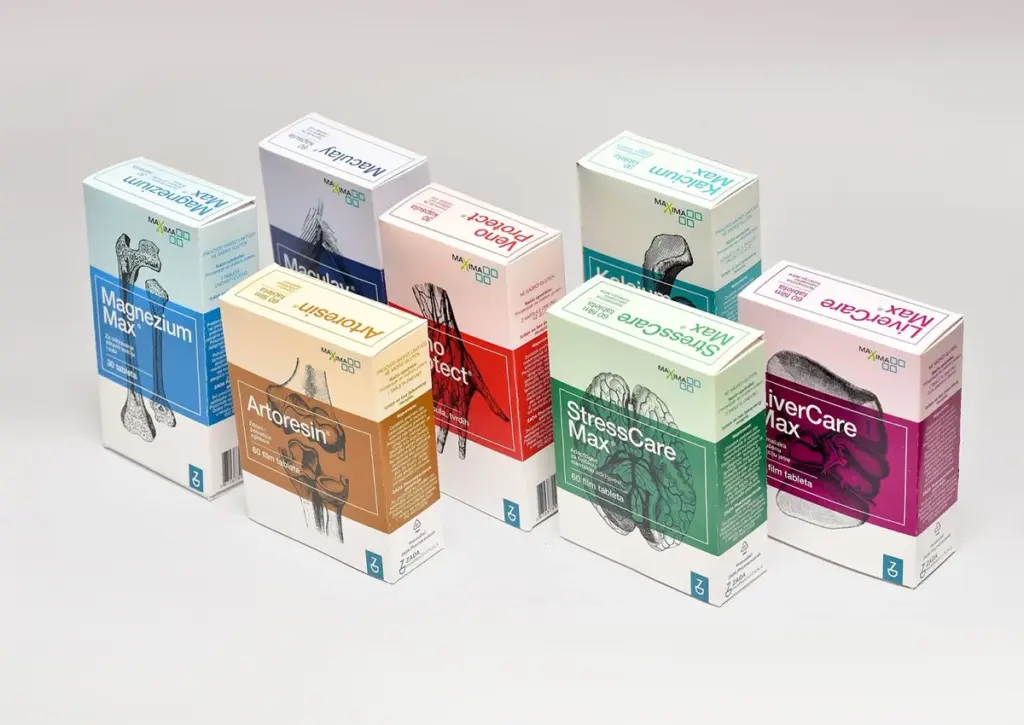
It is essential to select an appropriate packaging service provider for pharmaceutical packaging design for tablets. Important factors that you should consider include:
- Experience with Australia’s pharmaceutical regulations
- Knowledge of TGA and GMP
- Manufacturing flexibility
- Scalability of production process
- Provision of valid process and technical assistance
- Presence of reliable after-sales service
A well-experienced packaging partner will help you create an efficient pharmaceutical packaging design that will be safe and remain compliant.
The Future of Pharmaceutical Packaging in Australia
The Australian pharmaceutical packaging industry is constantly changing due to innovation, sustainability, and design focused on the consumer. Significant changes brought about by connected healthcare systems, smart packaging, and advanced safety technologies are driving growth in the industry.
The advancement of the medical industry means the pharmaceutical packaging sector will continue to be vital in connecting pharmaceutical manufacturers with healthcare providers.
Where to Buy Quality Pharmaceutical Packaging Across Australia
Getcustom printed pill boxes from Packaging Bee AU with nice finishing. We offer a variety of different styles and materials. So it feels more personal and less generic. Our packaging solutions are not only protective but also serve you as a strong marketing tool. You can include company logos, taglines and images, helping you to remember your brand. We comply with all rules and regulations of Australia while manufacturing.
Wrapping-Up
With such trendy pharmaceutical packaging design ideas, you can stand out in the pharmaceutical industry. You can also rely on us to get safe, compliant, and sustainable pharmaceutical packaging options. We can offer you dependable packaging services that show quality and safety.
FAQ's
-
Why is child-resistant packaging important?
This is essential as it reduces access to medicines for young ones, thus minimising the chances of accidental poisoning and ensuring safety in homes that have children. -
What materials are used in pharmaceutical packaging?
The common materials include glass used in the case of injectables and vaccines, plastic like HDPE and PET for tablets and syrups, blister packs, and secondary packaging such as cartons and labels. Eco-friendly options are also gaining popularity. -
Why choose sustainable packaging?
Sustainable packaging contributes to the reduction of ecological impact by utilising recyclable, biodegradable, and eco-friendly materials. It helps to achieve environmental goals whilst maintaining safety, compliance, and quality of products. -
What to consider in a packaging partner?
One should ensure that the partner is well-versed in Australian regulations, has knowledge of TGA and GMP, has flexible and scalable manufacturing, provides technical support, and has good after-sales service.

 Delivery Time


