


12
By: Monica Harper
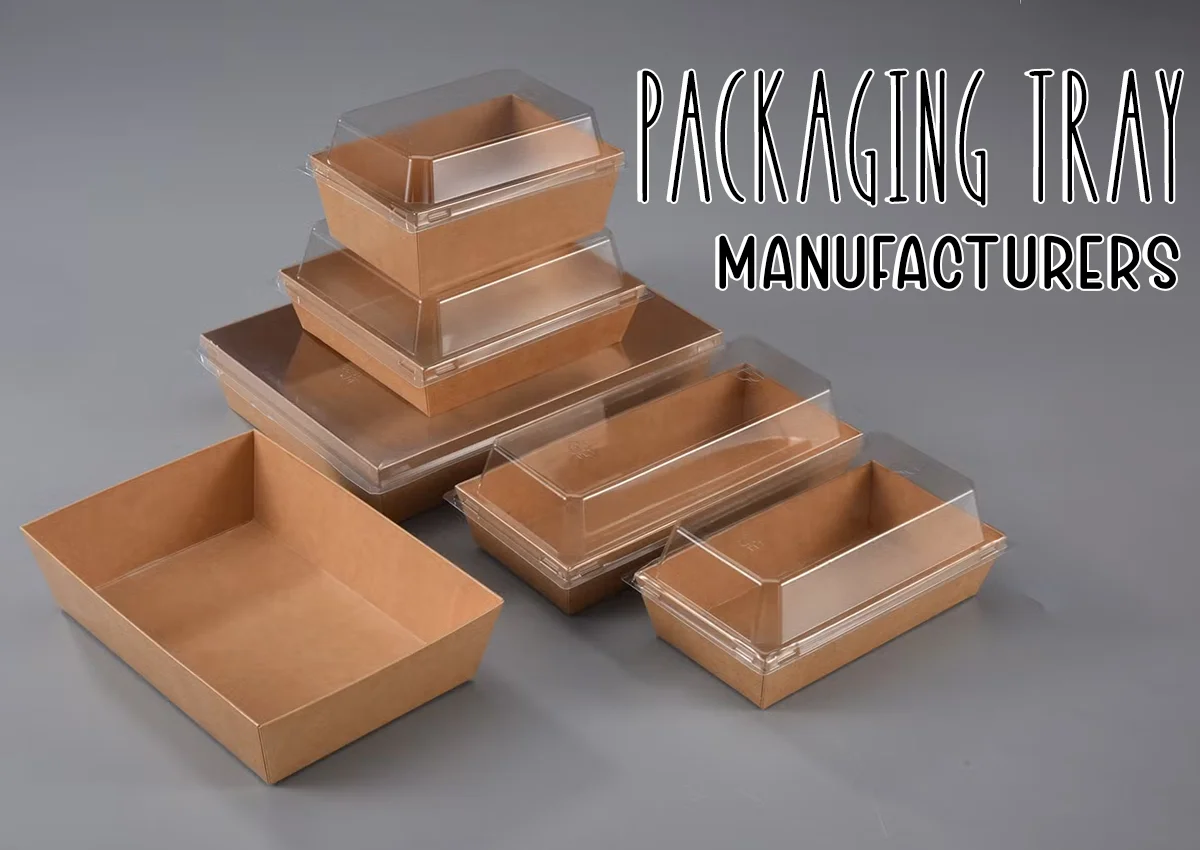
Packaging trays play a crucial role in supply chains and retail displays; however, they are often unnoticed by the people. These trays resemble silent assistants who not only protect the products but also reflect the brand’s personality. For instance, the specially designed trays inside the packaging box can efficiently safeguard the costly smartphones. Moulded trays are used specifically to keep the surgical instruments sterile. Even a plain biodegradable tray is used for fresh fruits and vegetables. These little trays operate silently to safeguard the products as well as to enhance the brand image. If the business aims to scale up, the decision to collaborate with the right packaging tray manufacturers shifts from a purely procurement-based one to a strategic move that impacts various aspects, including shipping costs, breakage rates, consumer perception, and even environmental impact. This guide explores the diverse realm of tray manufacturing, the materials revolutionising the industry, and how to select a partner aligned with your business objectives.
What Do Packaging Tray Manufacturers Actually Do?
Fundamentally, a packing tray manufacturer designs and crafts secondary or tertiary containers that sort, safeguard, and present products. Unlike an ordinary cardboard box, a tray is generally designed to match the exact contours of a product.
Manufacturers employ different technologies, from high-speed thermoforming to precision pulp molding, to develop solutions that:
- Item Safety: Fixing the items in place to avoid friction damage.
- Facilitate Automation: Giving the possibility to robotic hands in factories to simply “pick and place” the items.
- Maximise Retail Appeal: Make a “stage” for the product right after the outer box is opened.
What Are The Different Types of Packaging Trays That Manufacturers Offer?
The industry is divided based on the technologies and materials involved. A thorough understanding of these categories is vital in determining which type of custom tray packaging Australia is well-suited to your industry needs.
- Plastic Thermoformed Trays
This is the most common method of tray production. Plastic sheets are first heated until supple. Then apply pressure to stretch them around the mold. These trays are best for electronics, cosmetics, and medical devices.
PET, PVC, and High-Impact Polystyrene are their major components. You can create a window display to showcase your products.
- Molded Pulp Trays
Molded pulp trays have become massively famous. People don’t want single-use plastics. These trays are made from recycled paper, cardboard, or natural fibers. Thus, you can use them for egg cartons, wine bottle shippers, and eco-conscious consumer electronics.
Due to their fully recyclable nature, these trays attract today’s eco-aware consumer.
- Corrugated and Paperboard Trays
These are used by the food and beverage industry. Perfect for heavy-duty shipping and fast-moving consumer items. These trays have excellent stacking strength. You can easily print and use them for branding purposes.
Industry-Specific Requirements: Why One Size Does Not Fit All
When choosing packaging tray manufacturers in Australia, consider their experience in your specific niche. Because rules and needs are different everywhere.
| Industry | Main Need | Common Tray Type |
| Medical & Healthcare | Keep things sterile and meet ISO standards | Medical PETG (Tyvek-compatible) |
| Food & Beverage | Food safety regulations | HIPS or Eco-friendly Fiber |
| Electronics | Prevent static damage | Anti-static Plastic Trays |
| Luxury Retail | Looks and feel matter | Velvet-flocked or Strong Paperboard |
How Do Manufacturers Turn Designs into Finished Trays?
A good manufacturer does more than just prepare trays. The manufacturing of a custom food packaging tray, it involves accurate knowledge and planning.
- They create a 3d model based on your product dimensions. They also create a 3d print before developing the final production.
- Aluminum molds can be used for plastic trays, and wire mesh molds can be used for pulp trays.
- Using fast automated machines, they produce the best tray box packaging.
- They also check their trays to ensure the right thickness and that they can carry the load properly.
How Has Packaging Tray Manufacturing Changed in 2026?
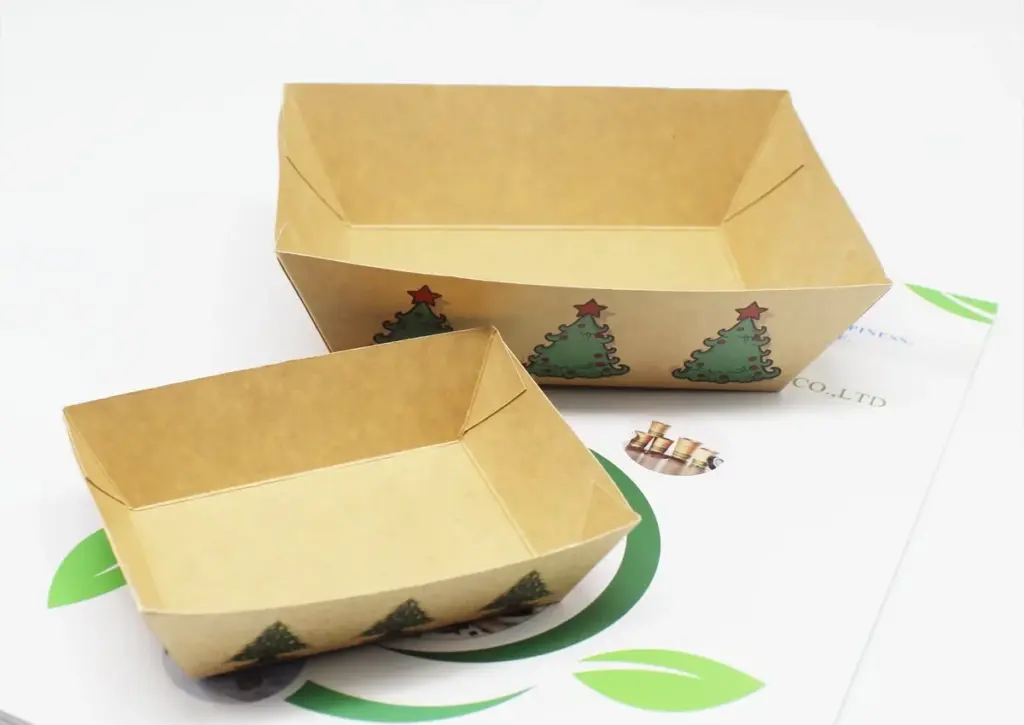
By 2026, production of packaging trays will have been radically changed. Now, companies not only need cheap trays but also want eco-friendly and responsible packaging.
Ocean-Bound Plastics
Many manufacturers use plastic, which they collect from near the coast, preventing it from polluting the ocean.
Simple Design
Food tray packaging manufacturers now use only one sort of plastic to make recycling easier.
Bagasse Trays
People now utilise trays that are made from sugarcane fiber for their delivery purposes. These trays are heat-resistant and strong.
What Are the Top Questions to Ask When Choosing a Supplier?
Selecting the right provider can uplift your packaging project. To obtain the best results, you should consider the following points and take your products to the next level.
Lead Times and Seasonal Capacity
Check whether the provider handles buy seasons or not. Like Christmas. They should deliver your products on time, without causing delays, so that you can stick to your schedule.
Minimum Order Quantities (MOQs)
Also, check whether they tackle wholesale orders or small ones. This way, you can only get your required desire and be able to save your money and time.
In-House Tooling Capabilities
Find out if they manufacture their molds in-house to save time and money during prototyping and first production runs.
Certifications and Industry Standards
Check they have ISO 9001 and other relevant certifications for food, med, tech, or any other regulated industries, as a guarantee of quality and compliance.
Location and Shipping Considerations
You may want to consider local sourcing within Australia to lower shipping costs, lead times, and environmental footprint.
Affordability and Reliability
Look for premium packaging solutions that are also affordable to secure a partnership for a long time.
The Future of Packaging: Smart and Active Trays
The next step for the packaging tray manufacturers is to add technology to their products. We witness “Active Packaging” where trays can release the food freshness-preserving substances internally. In the logistics area, “Smart Trays” are equipped with RFID tags, making it possible for the companies to track the items around the factory easily without manual scanning.
Wrapping-Up
No matter what you are selling, whether it be fresh cupcakes or high-tech sensors, the tray will always play an important role in your products. It’s the first thing your customer sees and is designed to protect your product during shipping.
Work closely with a tray manufacturer that has a forward-thinking approach, so your product remains safe as well as appealing when arriving on the customer’s doorstep.
To put it simply, while a tray may only be considered a plastic or a fiber material, in actuality, it represents your commitment to providing a high-quality and sustainable product as well as ensuring your product’s successful delivery to your customer. Therefore, use a packaging tray manufacturers like Packaging Bee AU to get high-quality trays!
FAQ's
-
What factors should you consider when choosing a packaging tray provider?
Considering turnaround times, MOQs, location, shipping costs, in-house equipments and overall reliability when choosing packaging tray providers. -
In what ways are packaging trays changing in 2026?
The changes include the use of environmentally friendly plastics such as ocean-bound plastics, trays made of sugarcane fiber, and smart trays equipped with RFID technology to enable tracking. -
Can you give me the four major types of packaging trays?
The four major types include plastic thermoformed trays, molded pulp trays, and corrugated or paperboard trays. Each type of tray caters to different industries. -
What is the reason that eco-friendly packaging is considered a must for tray manufacturers?
It is because both consumers and regulations are pushing for sustainable solutions; thus, eco-friendly trays made of recycled plastics and fiber are helping to lessen the environmental impact.




 Delivery Time


